
Plant Based Immune Support That Fits Real Life
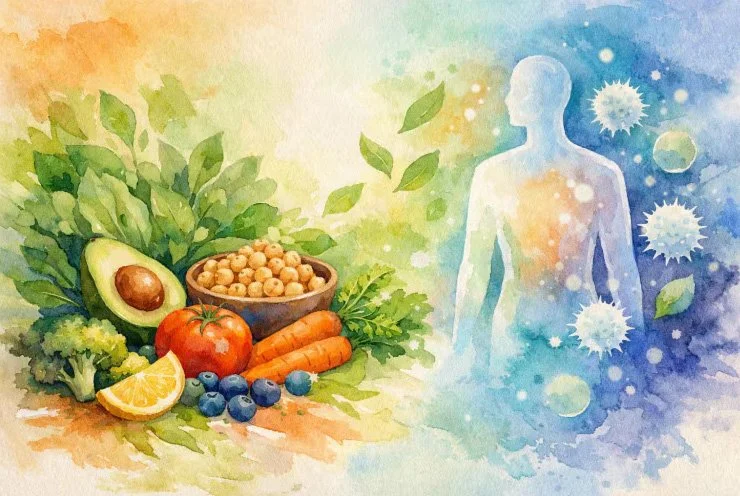
When your schedule is full, stress is high, and everyone around you seems to be coming down with something, your daily routine matters more than your intentions. A plant based diet immune system approach can be a practical way to support your body with steady nutrition, especially if you want natural options that fit real life.
That said, food is not a magic shield. No single smoothie, supplement, or superfood can guarantee you will avoid every seasonal challenge. What a well-built plant-forward routine can do is give your immune system the raw materials it needs to function well, while lowering some of the nutritional gaps and lifestyle habits that tend to work against you.
When your schedule is full, stress is high, and everyone around you seems to be coming down with something, your daily routine matters more than your intentions. A plant based diet immune system approach can be a practical way to support your body with steady nutrition, especially if you want natural options that fit real life.
That said, food is not a magic shield. No single smoothie, supplement, or superfood can guarantee you will avoid every seasonal challenge. What a well-built plant-forward routine can do is give your immune system the raw materials it needs to function well, while lowering some of the nutritional gaps and lifestyle habits that tend to work against you.
How a plant based diet affects the immune system
Your immune system depends on constant input from the rest of your body. It needs protein to build immune cells, vitamins and minerals to support signaling and defense, and enough overall energy to keep up with daily repair. A thoughtful plant based diet can provide all of that, along with fiber and plant compounds that many people do not get enough of.
One of the biggest advantages is variety. Beans, lentils, berries, leafy greens, mushrooms, seeds, herbs, and colorful vegetables bring a wide range of nutrients and phytonutrients to the table. Many of these compounds, including flavonoids and polyphenols, are being studied for their role in supporting normal immune function and helping the body manage oxidative stress.
There is also a gut connection. A large part of immune activity is tied to the gut, and fiber-rich plant foods help feed beneficial gut bacteria. When your microbiome is better supported, your immune response may be more balanced. This matters because immune health is not just about reacting hard. It is also about responding appropriately.
The nutrients that matter most
A plant-forward eating pattern can be a strong foundation, but it works best when you know what to pay attention to. Vitamin C gets most of the attention, and for good reason. Citrus, kiwi, bell peppers, strawberries, and broccoli all help support normal immune function. But immune health is broader than one vitamin.
Vitamin A from foods like sweet potatoes, carrots, spinach, and kale helps support the integrity of skin and mucosal barriers, which are part of your body’s first line of defense. Zinc matters too, especially for normal immune cell development, and you can get it from pumpkin seeds, beans, oats, and cashews. Selenium, found in foods like Brazil nuts, also plays a role in antioxidant defense.
Protein deserves a mention here because it is easy to underestimate on a plant-based plan. If meals are built around salads alone, you may miss the mark. If they are built around lentils, tofu, tempeh, beans, edamame, nuts, and seeds, you are in much better shape.
There are a few nutrients that may need extra planning. Vitamin B12 is the clear one, since it is not reliably supplied by whole plant foods. Vitamin D can also be a factor, especially during winter or for people who spend most of the day indoors. Iron and omega-3 fats may deserve attention too, depending on your overall diet.
Plant based diet immune system support is about consistency
The biggest mistake people make is looking for a rescue meal after they already feel run down. Immune support works better as a rhythm than a reaction. That means regular meals, adequate hydration, enough sleep, and a pattern of nutrient-dense foods most days of the week.
A useful way to think about it is layering. Start with meals that are built around whole plant foods. Add strategic nutrients through foods or supplements when needed. Then consider botanicals as an extra support step, especially during times of higher exposure, travel, stress, or the first sign that your body is under pressure.
This is where many wellness-minded adults want something more targeted. Food builds the base, but convenience matters. If you are juggling work, family, and recurring seasonal concerns, shelf-stable plant-based support can make it easier to stay prepared instead of scrambling.
Where botanicals fit in
Botanical support is not a replacement for nutrition. It is better viewed as a focused addition to a strong foundation. Many plants contain concentrated compounds such as lignans, flavonoids, and other polyphenols that have long histories of traditional use and are now being studied in modern research.
That matters for people who want a natural, non-prescription option they can keep on hand. A well-formulated botanical product can offer a more concentrated and convenient format than food alone, particularly when you want support without overcomplicating your routine.
For example, some people are especially interested in having plant-based immune support available during seasonal changes or when they feel a familiar issue starting up. In those moments, convenience often determines whether you follow through. Capsules and liquids are simply easier to use consistently than a long list of ingredients you have to shop for and prepare.
Botanical Wellness is built around that kind of preparedness, offering plant-based formulas designed for people who want simple support they can keep on hand and use as part of a wellness-first routine.
What to eat if you want a stronger foundation
If you want your plant based diet immune system plan to feel practical, think in terms of meal patterns instead of perfect eating. A solid breakfast might be oats with chia seeds, berries, and pumpkin seeds. Lunch could be a grain bowl with greens, beans, red cabbage, and tahini. Dinner might be lentil soup with roasted vegetables and a side of sautéed mushrooms.
Notice the pattern. You are getting fiber, protein, minerals, color, and plant compounds from several angles. That is what supports resilience over time.
You do not have to be fully vegan to benefit, either. For many people, a mostly plant-based routine is more sustainable than an all-or-nothing shift. If adding more plants helps you eat more consistently and with less stress, that can be a better long-term strategy than forcing a perfect plan you cannot maintain.
Common gaps and trade-offs to watch
Plant-based eating has real benefits, but there are trade-offs if it is done carelessly. Ultra-processed vegan foods can crowd out the whole foods that actually support immune health. A frozen vegan pizza and dairy-free ice cream may fit a label, but they do not create the same nutritional impact as beans, greens, fruit, herbs, and seeds.
There is also the issue of under-eating. Some people switch to plant-based meals and unintentionally cut calories or protein too low. That can leave you more tired, less satisfied, and potentially less supported overall. If your energy drops, your hair changes, or you are constantly hungry, your plan may need adjusting.
This is also where personalization matters. Someone training hard, recovering from stress, dealing with frequent outbreaks, or managing a very busy family schedule may need a more intentional routine than someone with lower daily demands. Immune support is never just about one ingredient. It is about your total load and how well your habits match it.
A simple routine that works in real life
The best routine is the one you can repeat. Start by adding one high-fiber plant food to each meal and one deeply colored fruit or vegetable every day. Make sure you have a dependable source of plant protein at lunch and dinner. Cover known gaps like B12 if needed. Then keep a botanical formula available for times when you want extra support.
This approach tends to work well because it does not depend on motivation. It depends on preparation. If your pantry has lentils, oats, seeds, herbal teas, and easy plant-based staples, and your cabinet has a trusted immune support formula ready to go, you are much less likely to fall into the cycle of waiting until you feel depleted.
A plant-based wellness routine does not have to be complicated to be effective. It just needs to be steady, well chosen, and realistic for your life.
Your immune system responds to what you do often, not just what you do once. A little more color on your plate, a little more intention in your routine, and the right plant-based support on hand can go a long way when life gets busy.

Sorting Signal From Noise: Why This Blog Exists
Social media is saturated with alarming virus claims, inflated statistics, and miracle cures designed to provoke fear and drive attention. This blog explains how viral health information is often misrepresented, how public health data is actually reported, and why this space exists to separate verifiable evidence from hype so readers can make informed decisions.
If you spend even a few minutes on social media, you’ll notice a pattern:
ew “virus threats,” alarming headlines, miracle cures, and urgent warnings appear almost daily. Many of these posts are shared widely, often without context, sources, or verification. Fear spreads faster than facts, and confusion becomes profitable.
This blog exists to slow that cycle down.
The Problem With Viral Health Information Online
Social media rewards attention, not accuracy.
Posts that trigger fear, urgency, or outrage are far more likely to be shared, followed, and monetized than posts that explain nuance or uncertainty.
As a result, we routinely see:
Inflated statistics presented without context
Estimates shared as confirmed facts
Monitoring updates framed as imminent threats
Products marketed as “cures” without credible research support
Old data recycled as new emergencies
None of this helps people make informed decisions about their health.
What This Blog Will Do Differently
The purpose of this blog is not to dismiss health concerns or minimize real risks. Viruses exist. Outbreaks happen. Some are serious. But understanding risk requires evidence, context, and proportion, not panic.
Each post here will aim to:
Address specific claims or trends circulating on social media
Identify what can be verified, sourced, and traced
Separate confirmed data from estimates and speculation
Clarify how institutions like the CDC actually report data
Explain what is known, what is uncertain, and what is overstated
When research exists, it will be referenced.
When data is incomplete, that will be stated clearly.
When something is hype, it will be called hype.
A Note on Statistics and “Big Numbers”
One of the most common sources of misinformation involves statistics, especially around viral deaths.
For example:
Many widely shared numbers are estimates, not confirmed counts
Estimates vary by year, region, and methodology
Headlines often present worst-case ranges as fixed outcomes
Global numbers are frequently framed as local threats
None of this means the data is fake.
It means it is often misused.
Understanding how numbers are generated is just as important as the numbers themselves.
On Products, Promises, and “Cures”
Fear-driven marketing thrives in uncertain spaces. When people are anxious, they are more vulnerable to exaggerated promises and unverified solutions.
This blog will not promote:
Products claiming to “cure” viruses without evidence
Supplements marketed through fear-based tactics
Claims that conflict with established research
Instead, products or interventions will only be discussed in the context of:
What research actually shows
What is supported, suggested, or unproven
What is reasonable versus exaggerated
Informed choice requires honesty, not hype.
Why This Matters
Constant exposure to alarming and misleading health content doesn’t make people safer. It makes them overwhelmed, distrustful, and exhausted. Over time, that erosion of trust harms public understanding more than any single virus ever could.
Reliable information doesn’t need to be loud.
It needs to be clear.
What You Can Expect Going Forward
Future posts will address:
Viral topics trending on social media
Claims about outbreaks, variants, and “new threats”
Misleading statistics and how to interpret them
Differences between monitoring, outbreaks, and emergencies
What research actually supports versus what it doesn’t
The goal is simple:
to help readers think clearly, ask better questions, and make decisions based on evidence rather than fear.